What Permits and Approvals Are Required Before Adding Space to Your Home?
You have been thinking about it for a while. Maybe the kids need their own rooms. Maybe you want a proper home office.
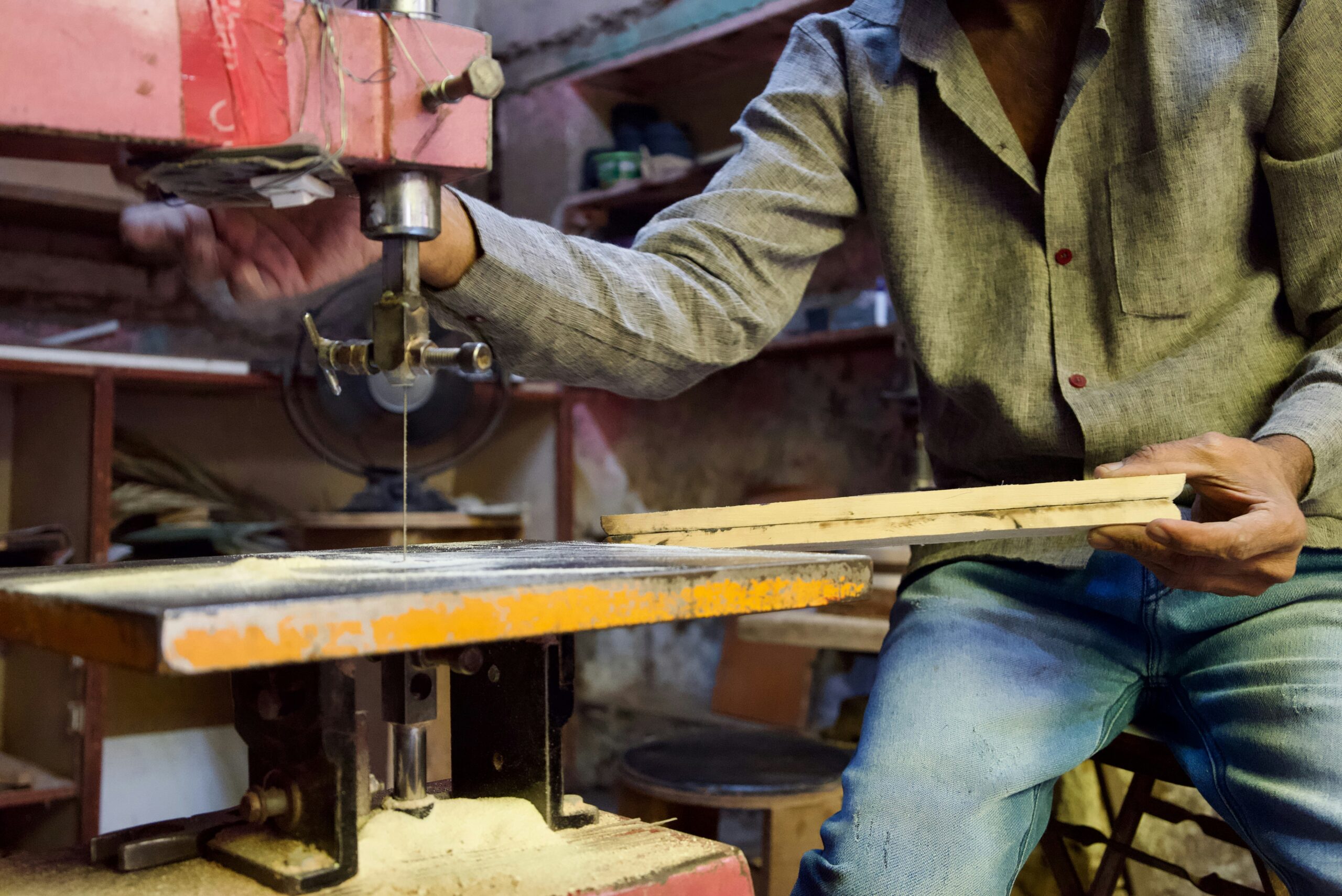
Let’s cut through the sawdust: Commercial carpentry isn’t just “bigger houses.” It’s the high stakes craft that turns concrete shells into hospitals where lives are saved, offices where deals are struck, and schools where kids learn safely. Get this trade wrong, and walls crack, floors sag, and fire doors jam when seconds matter. Nail it? You create spaces that stand solid for decades.
Here’s why it demands respect and why “just any tradie” won’t cut it.
Picture this: A team of carpenters walks onto a raw concrete slab. Months later, it’s a bustling medical centre with soundproof consulting rooms, disability compliant reception desks, and fire rated corridors that buy critical escape time. That metamorphosis? That’s commercial carpentry.
It’s the specialised skill of building and installing structures in:
The core difference from residential work? Scale, precision, and consequences.
This isn’t nailing timber studs. It’s engineering skeletons:
Transforming empty shells into functional areas:
Here’s why:
Skill | Real-World Impact |
Blueprint Whispering | Deciphering architect plans with 100+ layers (structural, electrical, HVAC). Miss one conduit? Rewire the floor. |
Code Obsession | Knowing NCC/BCA fire, accessibility, and energy codes backwards. One non-compliant handrail = failed occupancy cert. |
Material Mastery | Working with glulam beams, structural steel, fire-rated boards – where “close enough” = collapse. |
Tolerance Tyranny | 2mm max deviation over 10 metres. Lasers, digital levels, CNC cutters are daily tools. |
Trade Diplomacy | Coordinating with sparkies, plumbers, and glaziers in tight sequences. Delay = $10k/hour penalties. |
“We had a carpenter spot an unmarked stormwater pipe in the slab minutes before steel went in. Saved a $200K rework.”
– Site Manager, Gold Coast High-Rise
Forget Bunnings pine. Commercial sites demand:
A Sydney café hired “bargain” carpenters. Six months later:
Non-compliant fire door frames failed inspection:
A: The commercial fitout requires much more expertise in building codes, compliance, durability, and scale of the project. Great for small jobs, a handyman cannot get you into a commercial space that is professional, compliant, and safe. You need a qualified and experienced commercial carpentry team.
A: Ask for examples of their previous work locally—any good tradie will have a portfolio. Also, check online reviews and, most importantly, ask for references from past commercial clients you can actually call.
A: Not necessarily. While their day rate might be similar, you often save money in the long run through reduced travel charges, more efficient problem-solving, and avoiding costly mistakes that come from a lack of local knowledge. You’re investing in value and quality, not just a hourly rate.
Commercial carpentry builds the bones of our shared spaces:
Hack work here doesn’t creak – it kills.
So, if you need work that won’t creak, crack, or collapse,
Give the tradies at Oly Construction a hoy. We live and breathe commercial sites – from fire-rated fit-outs to structural steel – and won’t cut corners that put lives at risk. Licensed, insured, and fair dinkum.
Oly Construction pros treat every stud, beam, and fire seal like lives depend on it… because they do. Demand that standard. Nothing less.
“Good buildings come from good people, and all problems are solved by good design.”
– Stephen Gardiner (Architect)
You have been thinking about it for a while. Maybe the kids need their own rooms. Maybe you want a proper home office.
There’s a particular shift in the light in Ballarat come late February. The deep, intense heat of summer….
Quality formwork plays a vital role in the strength and durability of concrete structures. Well-built formwork….